Water Softener vs Water Conditioner — Which One Does Florida Homes Actually Need?
Walk into any water treatment conversation in Florida and you will hear both terms: water softener and water conditioner. Many homeowners use them interchangeably — but they are not the same thing. Understanding the difference matters because choosing the wrong system for your home's specific water means spending money on equipment that does not fully address your problem. Here is a clear breakdown of what each one does, and how to know which fits your situation.
What a Water Softener Does
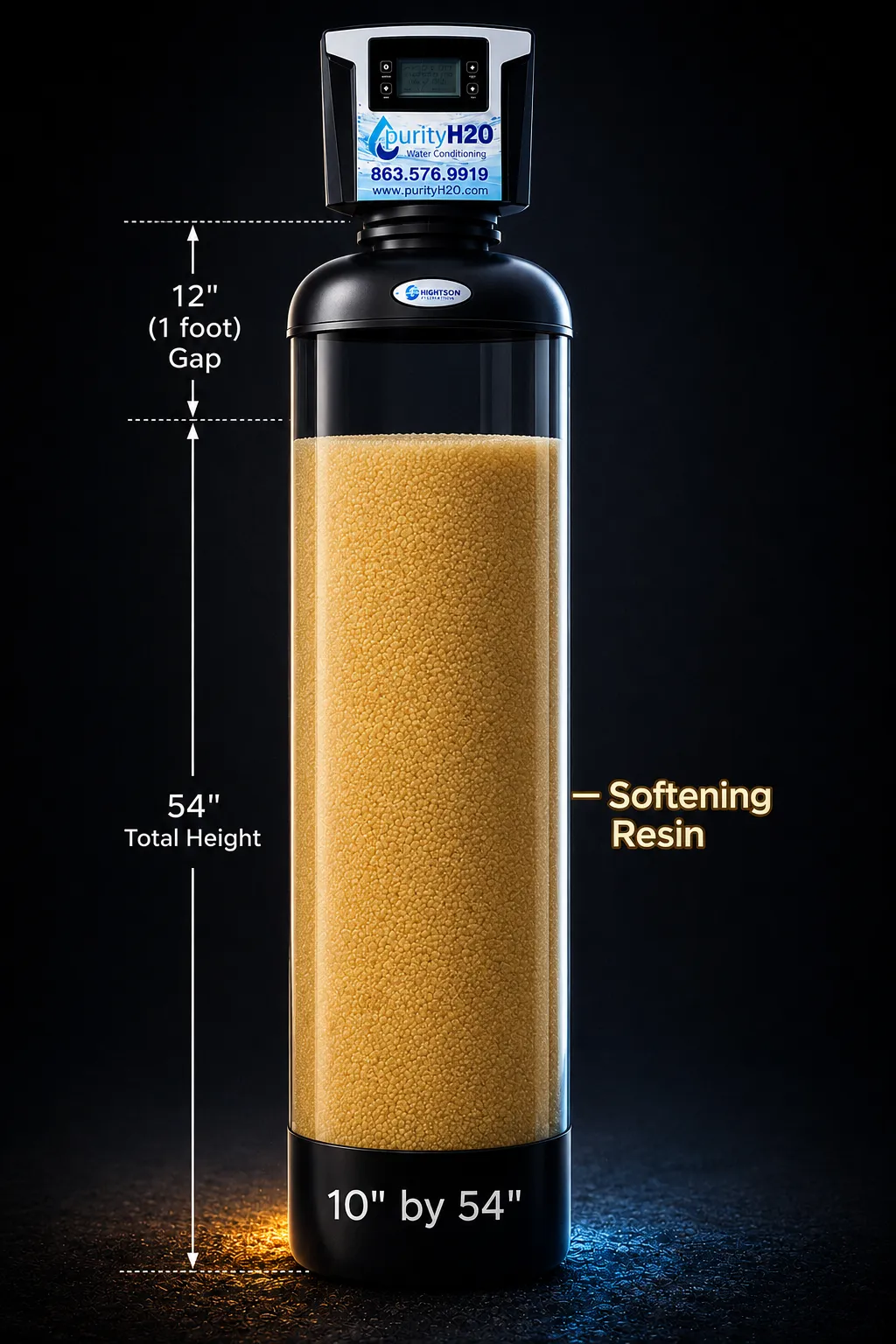
A traditional water softener uses a process called ion exchange to remove hardness minerals — primarily calcium and magnesium — from your water. Inside the softener is a tank filled with resin beads that carry a negative charge. As hard water passes through, the positively charged calcium and magnesium ions cling to the resin, while sodium ions are released into the water in their place.
The result is water that no longer contains the minerals that cause scale, spots, and buildup. The softener periodically flushes itself out in a process called regeneration, using salt water (brine) to recharge the resin beads and wash the collected hardness minerals down the drain.
A water softener is the right choice when: Your primary issue is hardness — white scale on fixtures, spots on dishes, reduced soap lather, or appliance buildup — and your water does not have significant taste, odor, chlorine, or chemical concerns beyond mineral content.
What a Water Conditioner Does
The term "water conditioner" covers a broader category of systems that address water quality beyond just hardness. In the context of a whole-home filtration system like the ones Purity H2O installs, a water conditioner typically combines multiple treatment media in a single tank to handle hardness, chlorine taste and odor, sediment, and other contaminants in one pass.
A well-designed conditioning system might include catalytic activated carbon to address chlorine and chemical concerns, softening resin to target hardness minerals, and support media to stabilize flow and protect the treatment bed. The system is programmed around what the water test shows, so the media blend is matched to the home's actual water conditions rather than a one-size-fits-all approach.
A water conditioner or advanced whole-home system is the right choice when: Your water has multiple issues — hardness plus chlorine taste or smell, hardness plus iron, well water with odor concerns, or any situation where a single-purpose softener would leave gaps in water quality.
Florida Water Almost Always Needs More Than Just a Softener
Here is the honest truth for most Central Florida homeowners: your water is hard, and it almost certainly has chlorine or chloramine added by your municipal system. If you are on well water, you may also be dealing with iron, sulfur smell, or other naturally occurring compounds from the aquifer.
A standalone softener will help with the hardness and may improve some surface symptoms — but it does not address chlorine taste, chemical odor, or well water concerns. That is why many Florida homeowners end up with a whole-home conditioning system that handles hardness and additional water quality concerns together rather than needing multiple separate units.
The Salt Question
One of the most common concerns homeowners raise is about sodium in softened water. Traditional salt-based softeners do add a small amount of sodium to the water during the ion exchange process. For most people this is not a meaningful health concern — the amount added is far less than a slice of bread. However, homeowners who have been advised to limit sodium for medical reasons may want to discuss this with their doctor, and many choose to add a reverse osmosis drinking water system at the kitchen sink to remove sodium from their drinking and cooking water specifically.
The Right Answer Starts With a Water Test
Whether a softener, a whole-home conditioner, or a combination system is right for your home depends on what is actually in your water. A free in-home water test by a qualified local specialist takes the guesswork out completely. You see the hardness level, identify any additional concerns, and get a clear recommendation based on your specific results — not a sales pitch based on the most expensive option.
Purity H2O tests water for free throughout Lakeland, Mulberry, Bartow, Winter Haven, Plant City, Zephyrhills, and surrounding Central Florida communities. The appointment is no-pressure and takes about 30 minutes in your home.